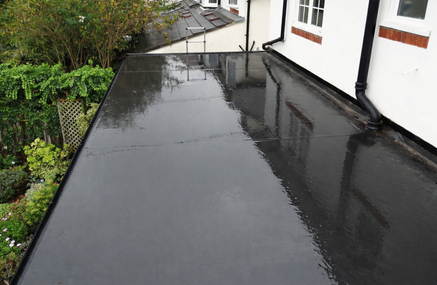
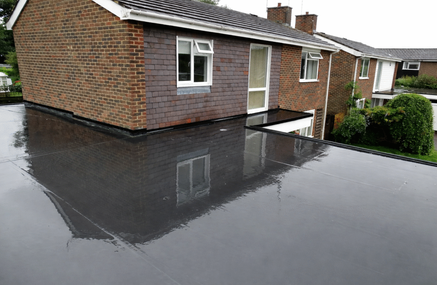
In the past, the mention of a flat roof conjured images of leaking felt, bubbling bitumen and the inevitable costly repair bill waiting just around the corner. Traditional felt systems, while cheap, often succumb to our notoriously damp climate, cracking under temperature fluctuations and degrading under UV rays.
EPDM, a synthetic rubber membrane, has revolutionised the flat roofing industry. Initially dominating the commercial sector, it has rapidly become the gold standard for residential extensions, garages and garden rooms. Below, we explore the significant benefits and the potential drawbacks of this modern roofing material.
The Advantages of EPDM Rubber Roofing
The primary reason EPDM has replaced traditional materials is its exceptional longevity and durability. Unlike felt, which may become brittle and crack within ten to fifteen years, a high-quality rubber membrane is engineered to last upwards of fifty years with minimal maintenance. This synthetic rubber is chemically constituted to resist the damaging effects of UV radiation and ozone, meaning it does not perish or degrade when exposed to the sun over decades.
It also remains incredibly flexible even in extreme temperatures ranging from -40°C to +120°C. In the context of British weather, this elasticity is crucial; it allows the roof to expand and contract with the building’s natural movements during freeze-thaw cycles without ever splitting or tearing, effectively waterproofing your property for a lifetime.
Another significant advantage, particularly for the safety-conscious contractor, is the ease and safety of installation. EPDM is a cold-applied system, meaning it eliminates the need for dangerous gas torches, boiling bitumen or naked flames on site. The membrane is typically installed using water-based deck adhesives and contact bonding agents, making the process far safer and reducing insurance liabilities.
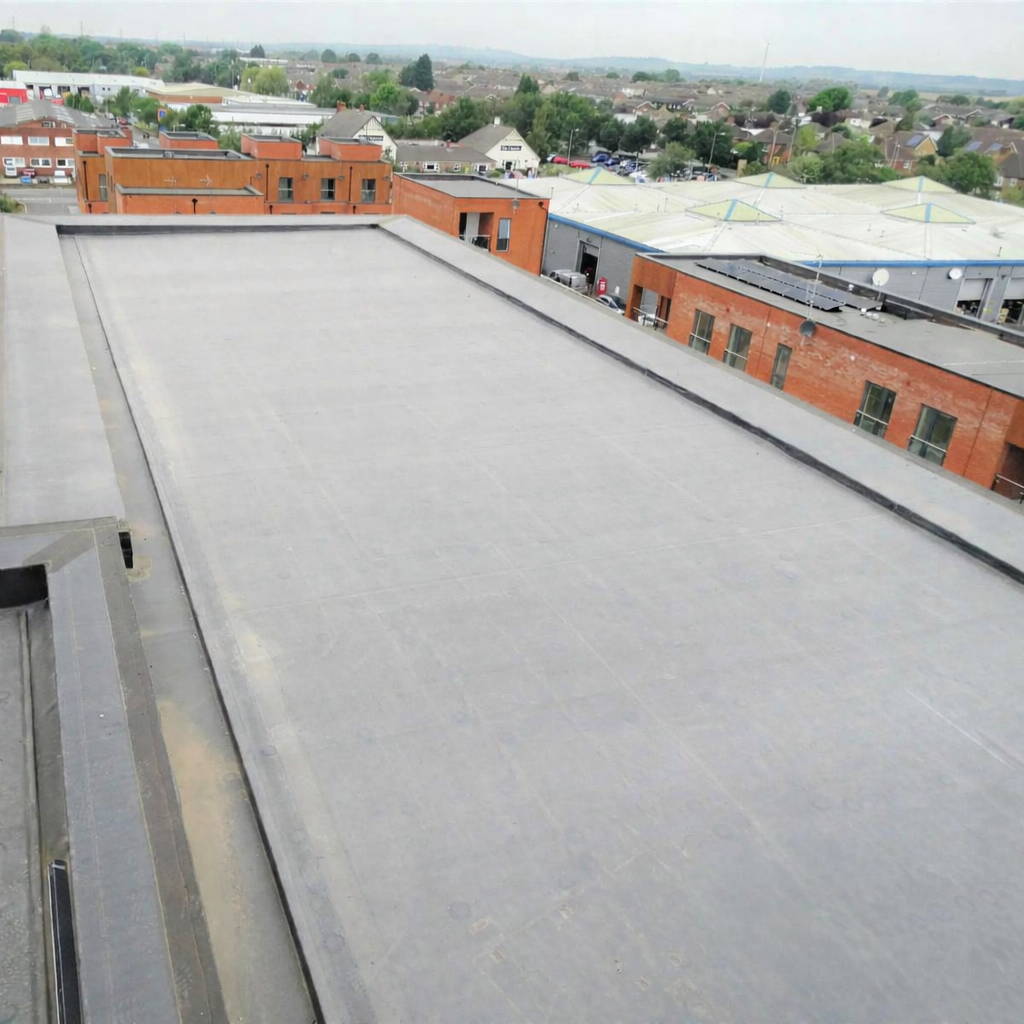
The material is also available in vast seamless sheets, which allows most residential flat roofs to be covered in a single piece. By removing the need for onsite joining, you eradicate the seams that traditionally form the weakest points of a roof, drastically reducing the potential for leakages.
In an age where sustainability is paramount, EPDM stands out as an surprisingly eco-friendly construction choice. Despite being a synthetic oil-based product, its environmental credentials are strong due to its immense lifespan and recyclability. Because you are not replacing the roof every decade, the landfill impact is significantly lower than felt alternatives.
In addition, the material is chemically inert, meaning it does not release toxic substances into runoff water, making it perfectly safe for homeowners wishing to harvest rainwater for garden use. It is also the premier choice for base waterproofing under "green roofs" (sedum or wildflower gardens), as the rubber is resistant to root penetration, effectively allowing you to turn your flat roof into a thriving, insulating eco-habitat.
The Disadvantages of EPDM Rubber Roofing
Despite its technical superiority, the most common objection to EPDM is its aesthetic appearance. To put it bluntly, it looks like a large sheet of black rubber, which can be visually jarring if the roof is overlooked by a bedroom window or visible from the garden. While felt can be topped with coloured mineral chippings, standard EPDM comes almost exclusively in dark grey or black. For homeowners prioritising "kerb appeal", the look of rubber might be seen as a compromise compared to more decorative, albeit more expensive, alternatives like fibreglass (GRP) or lead.
A more technical disadvantage lies in the nuance of its installation, specifically regarding "shrinkage" and weather conditions. While the membrane is robust, it has a "memory" and will attempt to return to its original state if stretched during installation or if not allowed to relax properly before being glued down. If an installer rushes the process and pulls the sheet taut, it can eventually pull away from the perimeter upstands or corners years later, creating tension points that may lift the flashing.